

When Life Pressed Pause
Rachael Ajisafe
Background
On February 27, 2020, Nigeria confirmed its first COVID-19 case. The Nigerian government implemented lockdown measures in major cities by mid-March 2020.
I remember the day our school closed, particularly because everything felt so unfinished. I remember the day started off normal, although news of a lockdown had been circulating. On the assembly ground, we were formally informed about the lockdown and the school shutdown. We, the students, were all happy with the thought of a holiday. Nobody knew how it was going to turn out.
I was in JSS 3, transitioning to SS1 before the lockdown began. Then, every day felt like a countdown: to BECE, the national exam for final-year Junior Secondary School students; to finally retiring our uniforms; to the alleged greener grass on the other side of secondary school education. We had plans stacked neatly in our heads. Timetables. Revision notes. Teachers who kept reminding us that this academic year mattered more than all the others, until COVID-19 arrived and pressed pause.
At first, the closure of educational institutions sounded temporary. Two weeks, a month, but at least enough time for the world to “sort itself out.” It was how it was said on the radio, and how the adults explained it to us at the onset, until days began to pile into weeks, and weeks into something shapeless. Our school gates stayed locked, uniforms folded somewhere, and our futures waited without instructions.
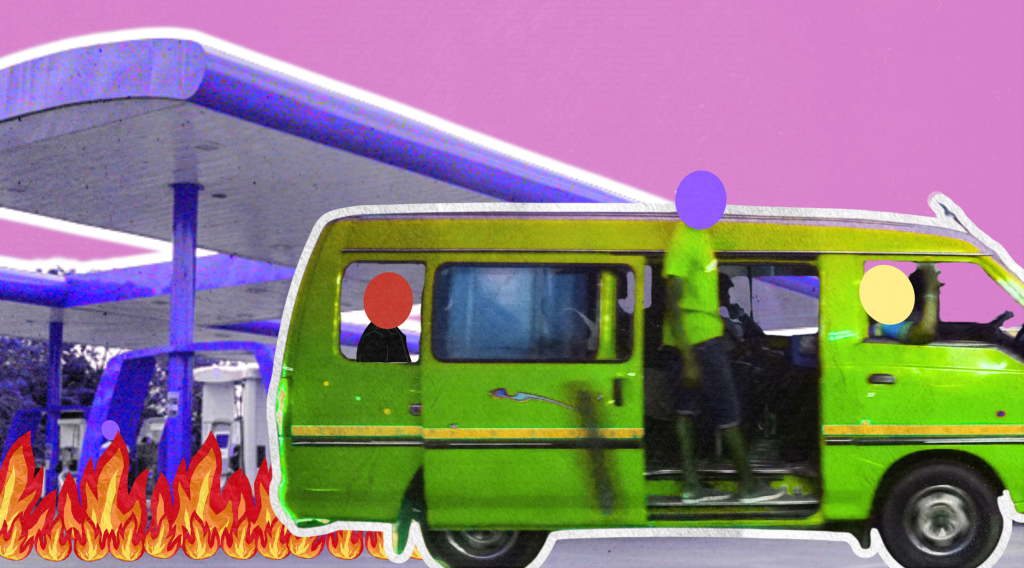
We were living in Ikorodu, Lagos, at the time, and Ikorodu does not know how to be quiet for long. There is always movement: buses, conductors calling destinations, traders announcing their markets, customers haggling prices, children running errands with slippers slapping against the road, people, vehicles, umbrellas, wheelbarrows, colours, voices. During the lockdown, all of that slowed down. The streets did not empty completely, but there were fewer people, and the urgency was gone.
We could not go out. We could not visit friends. We could not go to school. Movement itself became suspicious. Inside our house, time fused. Morning and afternoon felt the same. News updates replaced school bells, and every cough carried a question mark. We washed our hands more than we spoke. The world outside was talking about case numbers and infection rates, but inside our home, COVID-19 felt like uncertainty, quietly sitting in corners.
All admission and qualification examinations were postponed, including BECE, the big exam that would mark the end of my junior secondary school. Initially, it felt like relief, like a gift of extra preparation time, but soon the delay became a ghost haunting every thought. We tried to watch lessons on LTV, Lagos State Television, but without smartphones or stable access, it was patchy. Some days, I learned algebra from the TV; other days, nothing but waiting.
What I remember most clearly is money, or rather, the absence of it. I had savings then. One thousand, five hundred naira. It wasn’t much, but it was mine. Money saved from small gifts and balances from errands, the kind of savings that mattered deeply to a secondary school student. When the world paused, that money suddenly felt important in a new way. Not as spending money, but as a possibility.
My mother had a small shop. During lockdown, it became both refuge and responsibility. People could not move freely, but they still needed essentials. Food. Small household items. Life was still happening, even if slowly. I started helping her, at first absentmindedly, then deliberately. Selling small, small things. Learning how to talk to customers through masks. Learning how to calculate quickly, how to stretch stock, how to make do.
Sometimes, the shop ran low. Rice bags got smaller. Beans sold out. Oil bottles became rare. But we adapted. I learned to ration goods, suggest alternatives, and smile while keeping my fear in check. My one thousand five hundred naira became capital, as school stopped being the centre of my days, to make room for survival.
I didn’t think of it as entrepreneurship then. It was survival, something useful to do with days that refused to move forward. While school waited for us to return, life quietly redirected my education. I learned pricing before I learned quadratic equations again. I learned negotiation before essay writing resumed. I learned that waiting did not mean standing still. Students were at home because schools were closed, but I remember being at work.
I remember counting change with hands that still smelled of sanitiser. I remember customers standing a little too far away, voices muffled behind cloth masks. I remember the anxiety of wondering whether tomorrow would bring restocking or restriction. I remember my mother’s quiet resilience — how she did not dramatise the situation, how quietly she adjusted.
Pandemic, lockdown, and global disruption were the terms used to describe the times. They were accurate words, but they did not do justice. They did not capture what it felt like to be a teenager whose final year of junior secondary school dissolved in the waiting. They did not capture the strange grief of not saying goodbye properly, to classrooms, to routines, to the version we expected to share in common with those before us.
There was no formal closure. No final assembly. No shared last day. On some days, Ikorodu was ominously quiet. Policemen occasionally passed, reminding everyone that movement was restricted. Shops that weren’t essential stayed closed. Children stared at the sky from their gates. All that global tension entered into our homes, our conversations, our meals, and our becoming. It was a world that expected stillness but did not teach how to fill it.
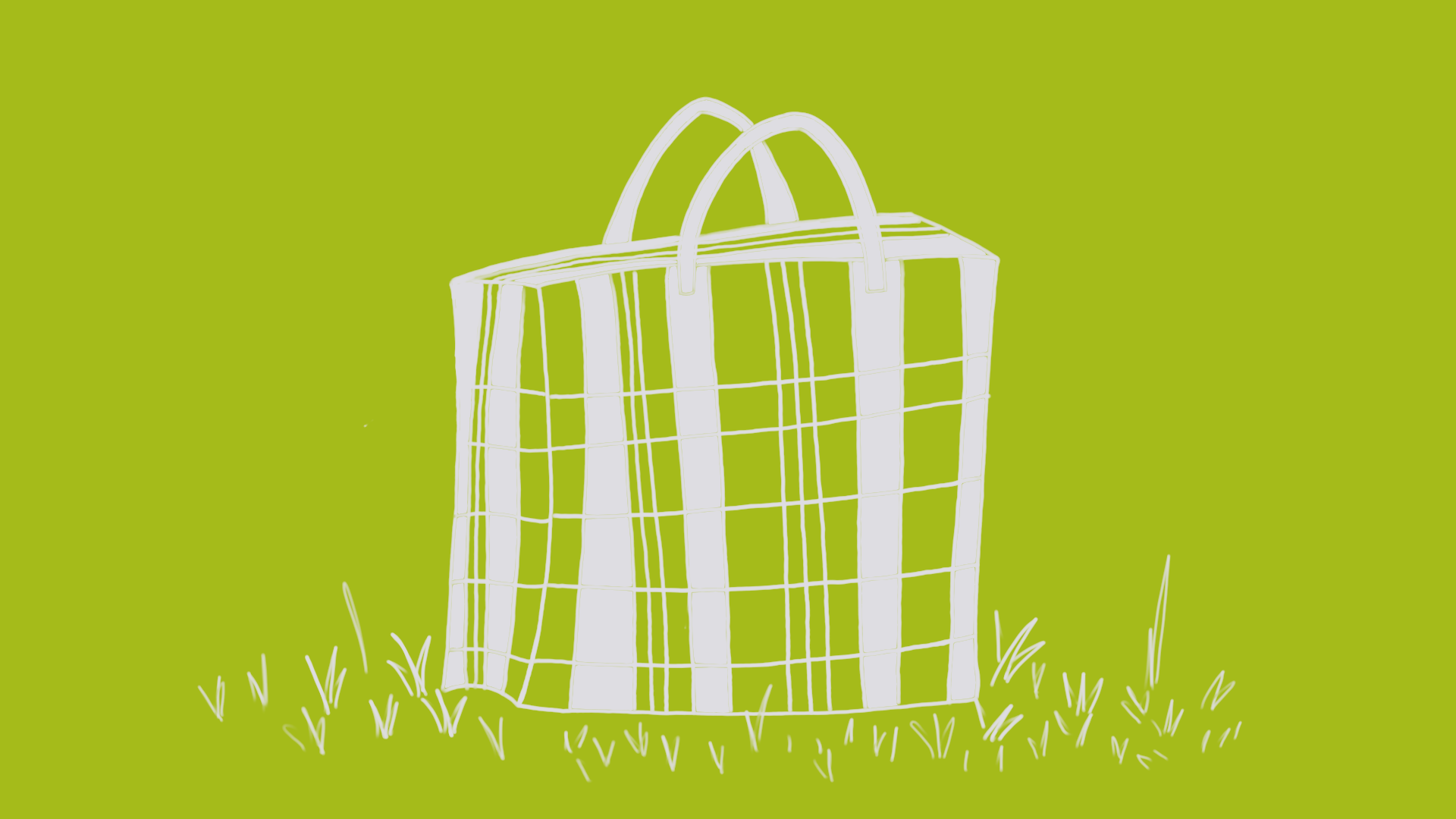
When schools eventually reopened, we returned older in ways that had nothing to do with age. I used the profits from my little shop to buy a school bag. When my brother saw what I was doing, he also saved some money and started selling things. We both resumed with the new bags we bought.
My classmates looked different and older. People had lost relatives, and some families had lost income and stability, and many of us had learned lessons that would never appear in the NERDC curriculum. I remember when life pressed pause, and how, quietly, we learned to keep going anyway.
Rachael Ajisafe is a law student at Olabisi Onabanjo University with a strong passion for storytelling, poetry, and essay writing. Her work explores themes of identity, self-discovery, and the complexities of human emotion through a lyrical and reflective style. She was longlisted for the Dele-Balogun Prize for flash fiction, shortlisted for the Eriata Oribhabor Prize for Poetry 2025, placed 2nd in The Framefest Abuja storytelling competition, and placed 2nd in the ZODML poetry prize 2025. Also, she was the Inaugural winner of the Witsprouts storytelling prize 2025 and has participated in several literary and poetry competitions, continually refining her voice as a writer and performer. Beyond writing, she is actively involved in literary and leadership communities, using her craft to inspire, connect, and challenge perspectives.
Cover credit: Victor Ola-Matthew.