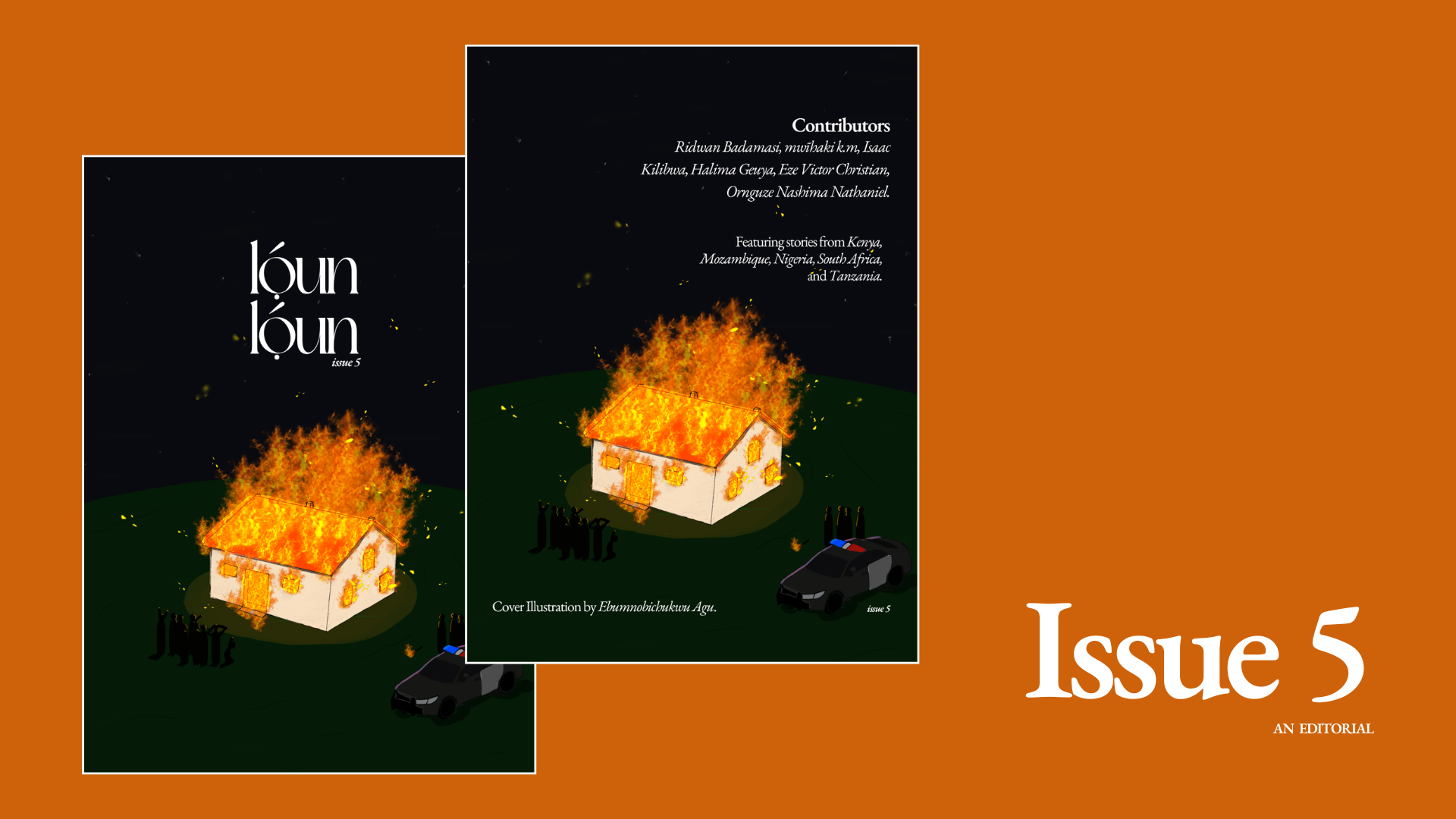
Our 5th issue is here!
“Gestation”
An editorial
It has been approximately nine months since our last issue was announced—the gestation period for a human child, and for Lọúnlọún, our fifth issue. Much has happened in the last few months within this project and without. We spent the year focusing on personal essays and memoirs under the title Witnessing, and we received grant funding from the FFAI, which covered our operations, website development, and compensation. In nine months, we have moved from how to secure a budget to how to manage a budget better, and back to how to secure it again, fingers crossed. Such is the beauty of learning for the first time.
Outside the journal, we have watched the literary and archival scene and met new friends and partners along the way. We have engaged institutions that share similar values and different missions, and we have also watched other institutions handle situations that set a precedent for how smaller institutions should or should not manage them. We have entered a world of artificial intelligence, and goodness! did we receive a large amount of AI slop. I was sure I would lose my mind! Especially in the presence of the question: How do you know it is artificially written? Even right now, I can point out three sentences in this short note of mine that look suspiciously artificial.
During this gestation cycle, I have also come to observe how the journal is perceived, having not humanised it in its construction. There are expectations that contributors and readers have of a faceless institution. Sometimes it is the presumption of finances which influences human talent, branding and compensation. It is the presumption of resources and expertise, political standing and even consistency. In modern times, the most efficient way to humanise a brand is to put a face to it, but I give these simple lines: this is an independent passion project operated by a team of volunteers. I wish we could compensate more, ask Oby Ezekwesili to write us a Witnessing piece and then retire the publishing year at Aké Arts & Book Festival. But alas, what we can do is give birth to this fifth issue.
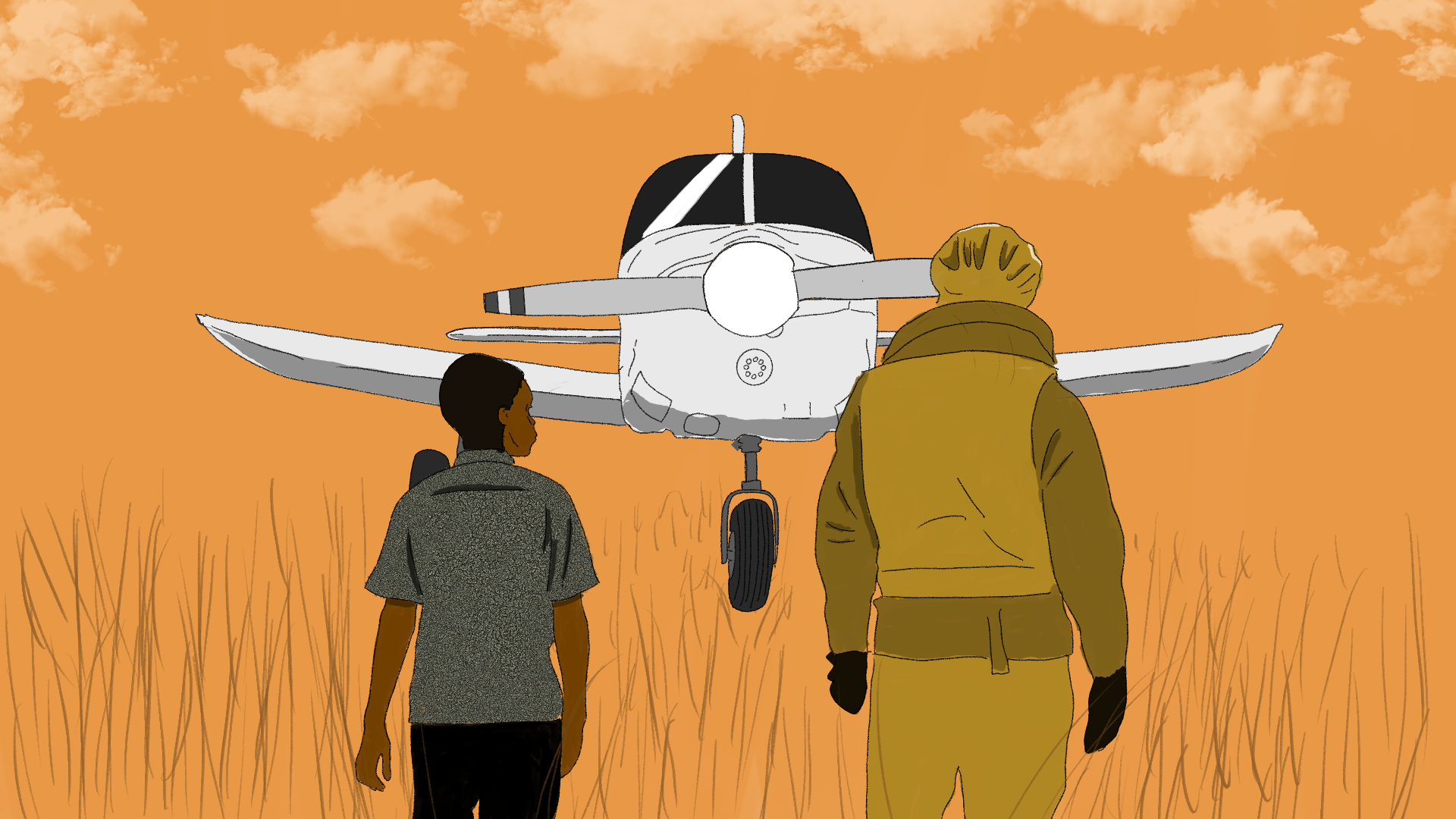
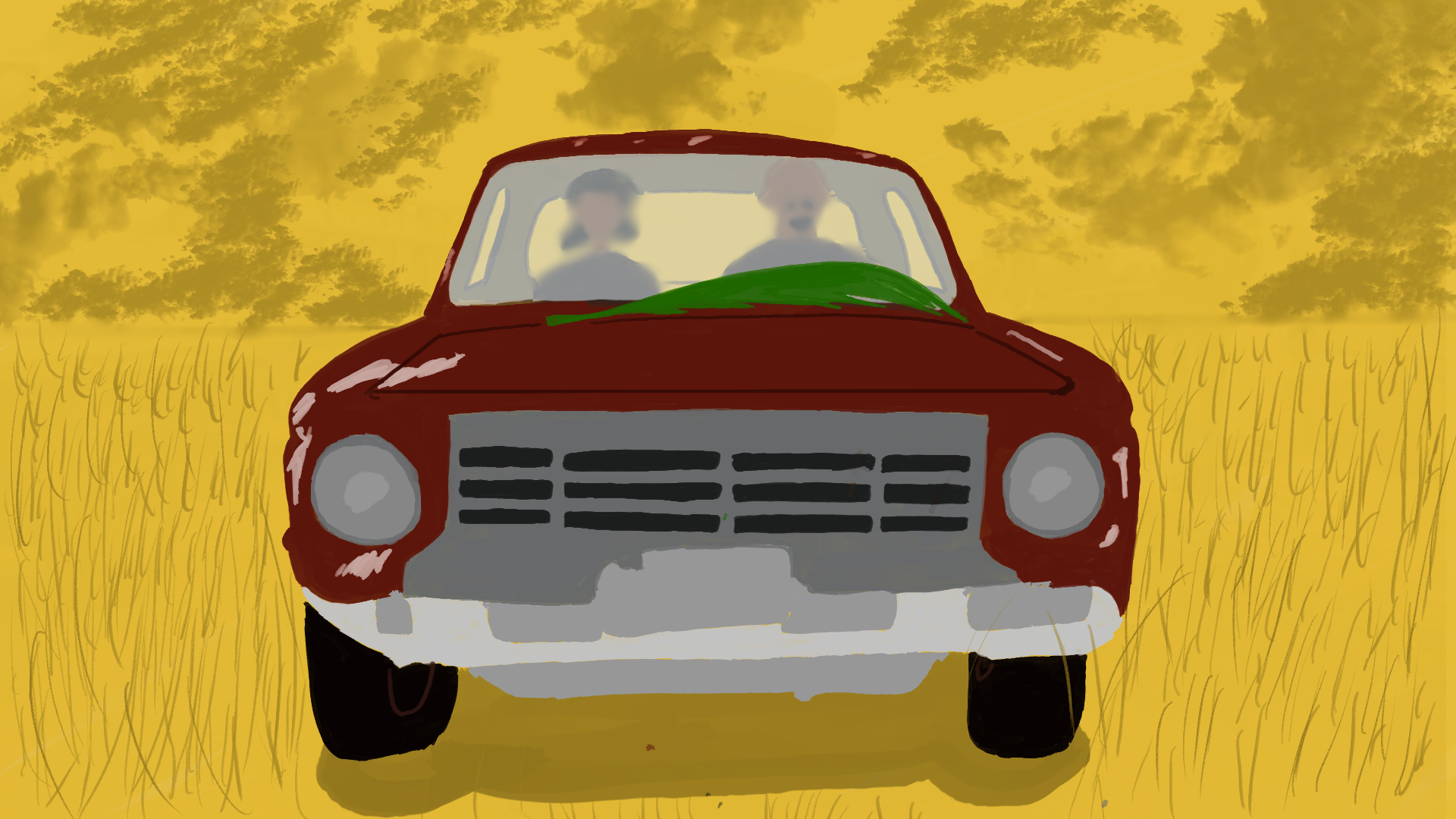
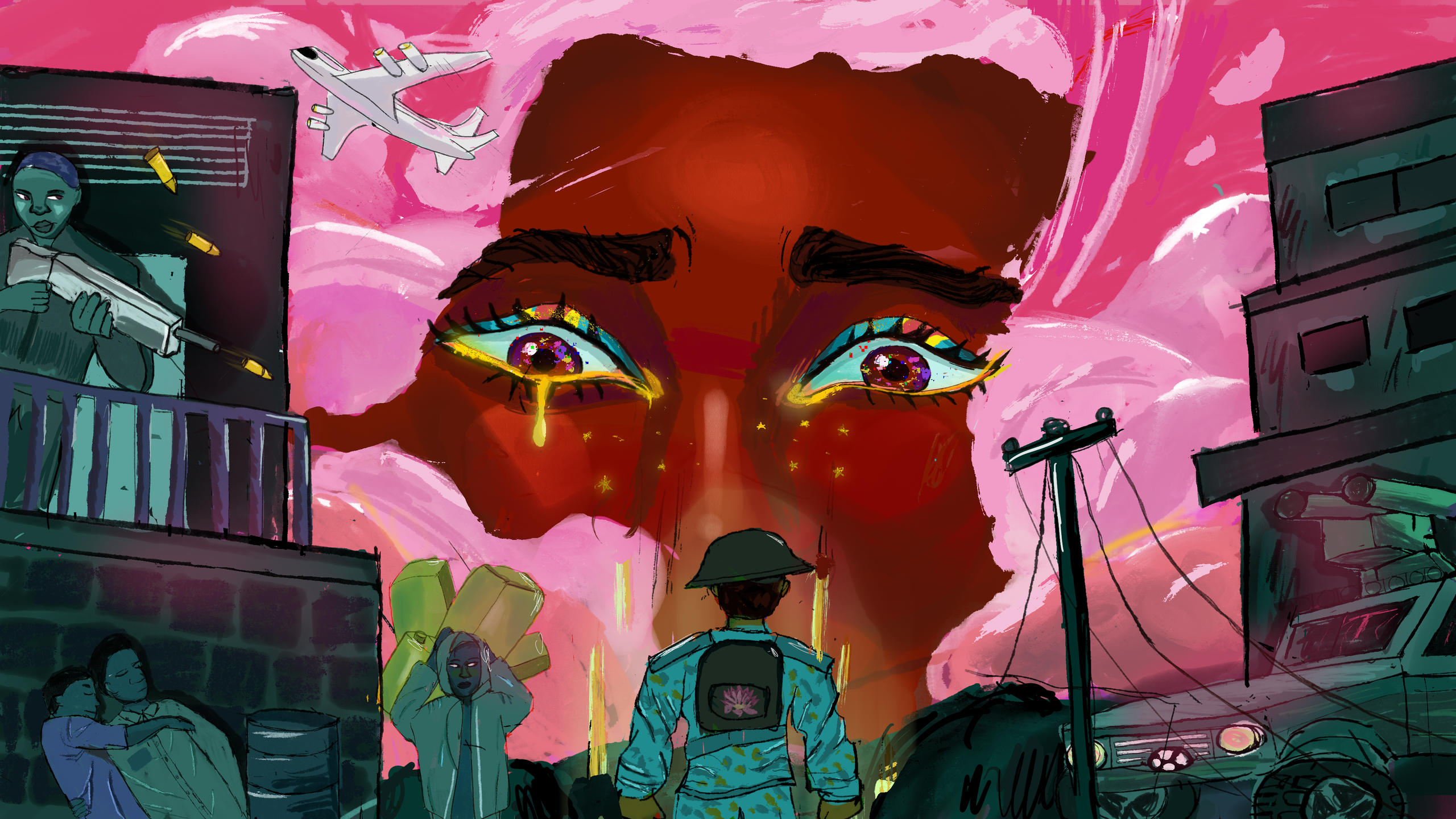
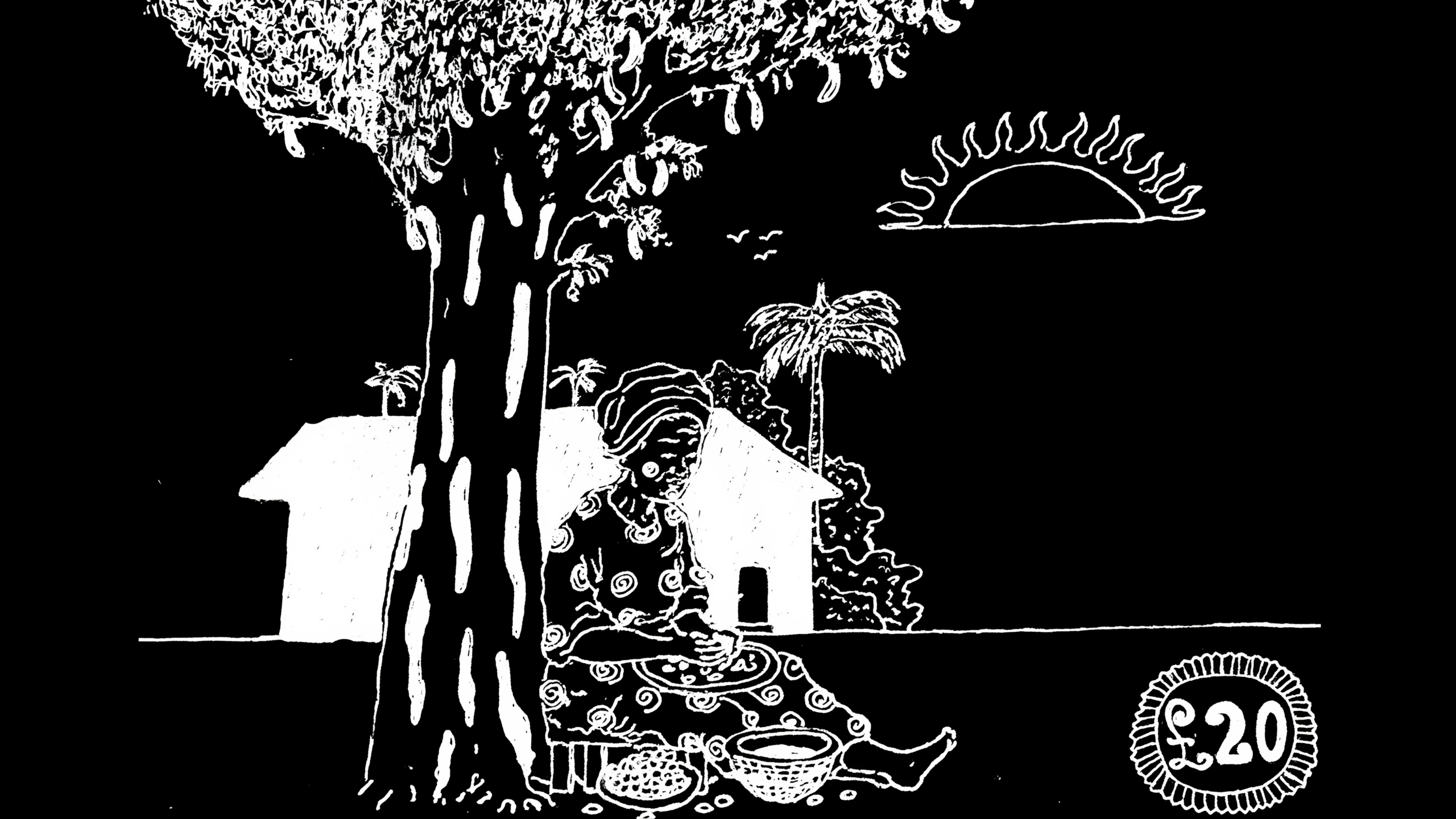
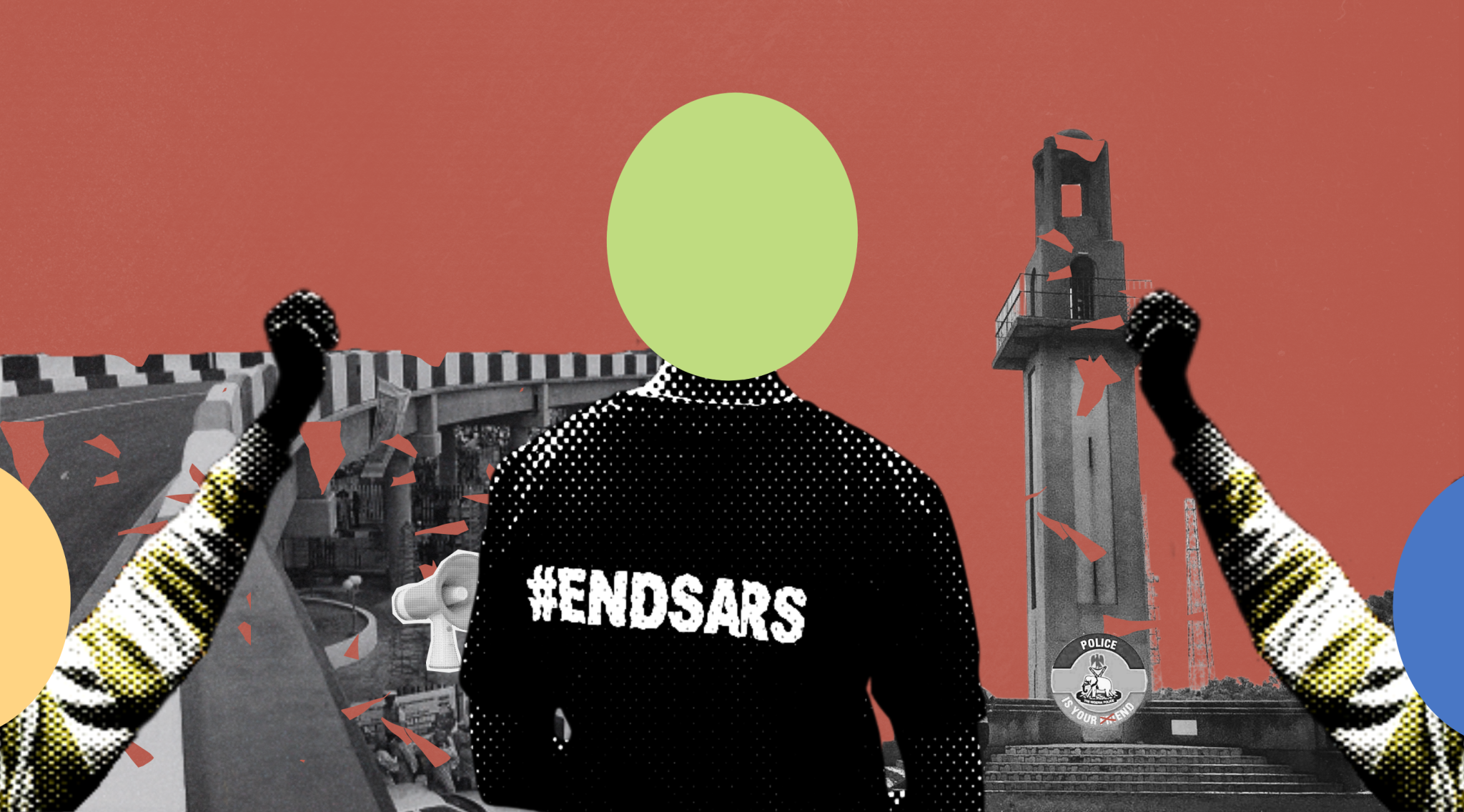
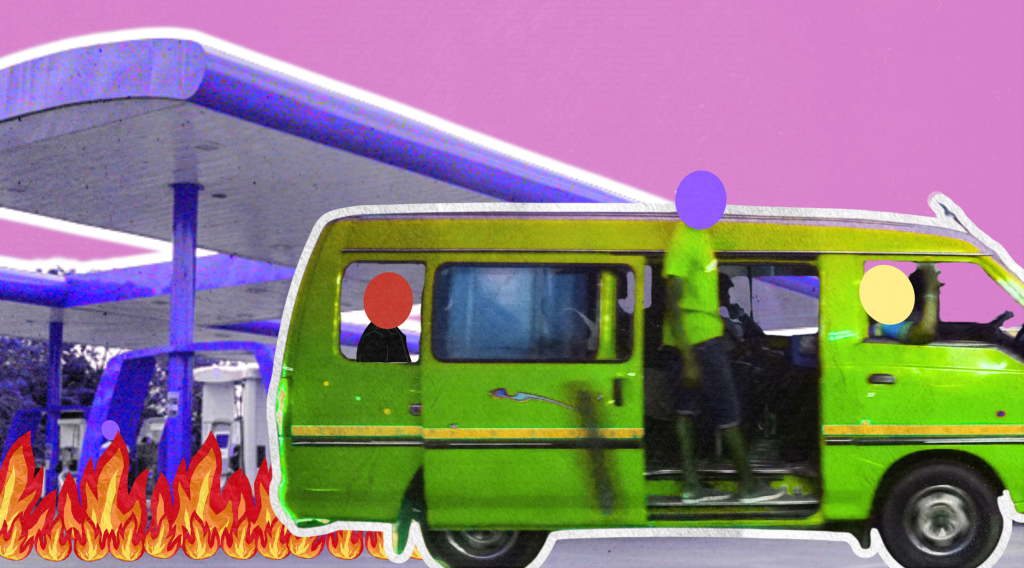
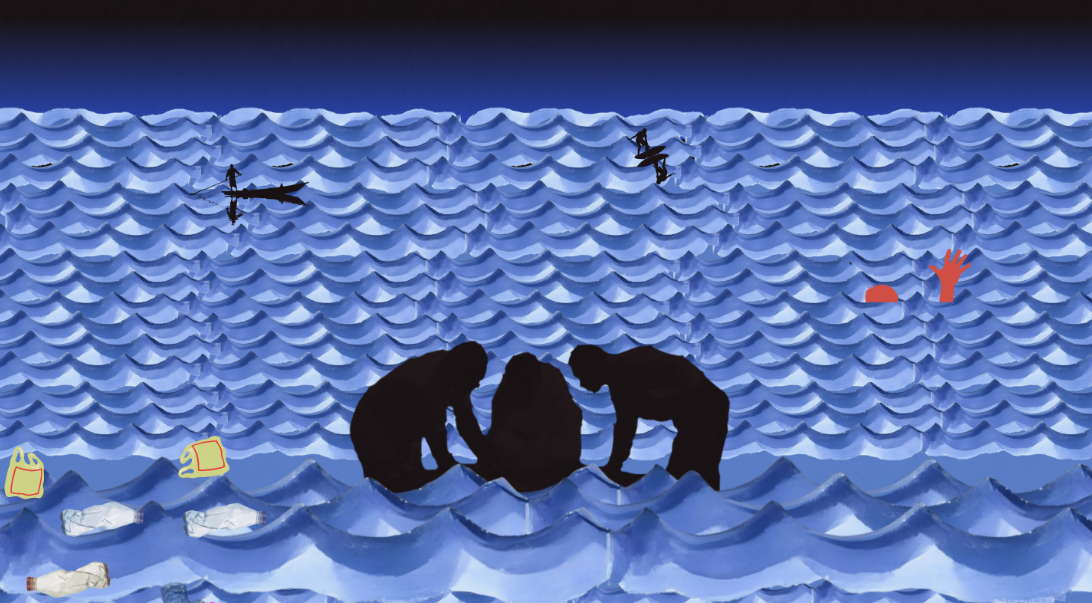
This wooden issue, as with the previous issues, finds itself a theme by (if I may) divine coincidence. With stories set in Nairobi, Kano, Gorongosa, Kilosa, and Sharpeville, the issue predominantly explores state-sanctioned violence and repression and systemic coercion. The characters in these stories either find themselves directly on the receiving end of oppression, like Kovo in Ornguze’s 321, Nzalambi in Kilibwa’s Nzalambi, Udamugh in Geuya’s A Land with No Spirits, or M’Mwenda in mwĩhaki k.m’s Unshackled or indirectly, like Chimoio in Christian’s What the Grass Remembers. Some are on the receiving end of institution-sanctioned violence, like Garba and his family in Badamasi’s In the Shade of the Branch. These stories cut across themes of conflict, identity and hope, and I hope that they will be well received.
The contributors for this issue include Ridwan Badamasi, mwĩhaki k.m, Isaac Kilibwa, Halima Geuya, Eze Victor Christian, and Ornguze Nashima Nathaniel. The cover illustrations are by Ebumnobichukwu Agu, and the stories are edited by Fortune Akande, Angel Lawson, and Victor Ola-Matthew.
Beginning this Monday, August 31st, we will release each story in the issue over the next six weeks. Sign up to receive a newsletter each time we release a story. We don’t spam. We don’t have the human resources yet, but we do have a premium newsletter account to accommodate everyone and accommodate we must. Till we meet again.
Victor Ola-Matthew,
Founding Editor.