321
Ornguze Nashima Nathaniel
Background
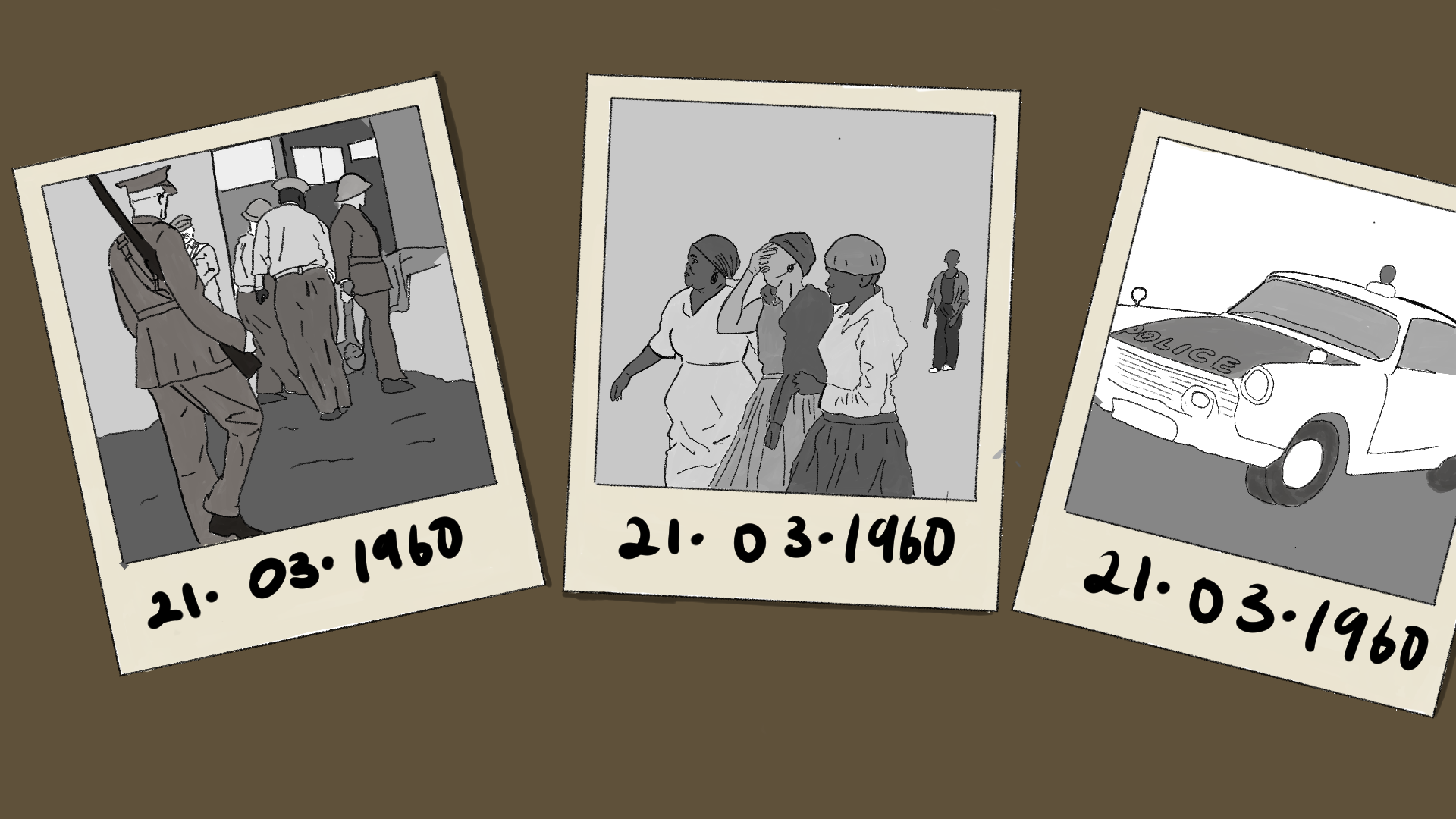
On March 21, 1960, at a police station in the township of Sharpeville in Gauteng, South Africa, police opened fire on a crowd of people protesting the apartheid system and its pass laws.
TSibosiso propped himself up in bed with a pillow and tried each second not to think about his misfortunes, especially his floundering relationship with Kovo, the girl who had promised to love him to the end. All his efforts failed. He stared into the street from the window of his dingy room on the second floor and took in its stretching emptiness. Not even the crows whose philological sessions he liked to indulge as he sat on this windowsill every morning were there. Tired of seeing nothing interesting in the street, he removed his sight and instead trained it on the pack of drugs on the table close to the toilet door, the horrible events of the past weeks playing in his head.
“The worst thing that can happen to a black man in this country is to lose his girlfriend to a white man. They have taken not only our lands and rights … it’s everything!” was what Alexis, his photojournalist friend, had told him a few days ago on his opening up in the hope of healing. It hurt him that he was the object of pity, but the recollection of all that had happened hurt him more than anything else. Why did he even bother to go to Sharpeville without first telling his girlfriend that he was coming? He had gone all the way from Pretoria to surprise her but got a rather hefty surprise in return. He paused at the door on hearing sounds suggestive of two adults in the middle of soulful coitus. When he knocked and said, “It is me, Kovo,” the sensual noises quieted, and hurried movements followed. He heard someone roll out of bed and try to put on clothes. When she finally opened the door by a crack and stood in his way, a film of sweat on her temples and between her clavicles and larynx, he knew she had made up her mind. He tried to look past her into the room to no avail. Luckily, at the moment he made to walk off, a white man appeared behind Kovo, towering over her. His eyes locked with those of his adversary. For a moment he thought of pouncing on him, depriving him of all his teeth, but he swallowed hard and left, giving up his three-year-old relationship.
In the PUTCO heading home, he put himself side by side with the white man he had seen in Kovo’s room. The man had nothing over him. Was it height? Strength? Handsomeness? Education? Then there was a prick in his brain and he remembered that the man was indeed superior to him in one thing: race. He should have known that to be white was to be the numero uno. Perhaps the man was working in an elitist company and got dressed in European suits on workdays, not in a struggling news house like Afrika Magazine, where people like him wore creased baggy dresses and often missed a belt loop when they tucked in their cheap shirts.
He had wanted to work at Daily Mail or Drum, but the bureaucratic hurdles of the National Party had frustrated his efforts of getting a passbook in time, without which he could not be employed or allowed to move about or live in an urban area. After the frustrating queues and filling many-page forms, he was handed a stamped dompas. That night he and Kovo had made love nonstop and painted their forms with glorious streaks and in a future they both imagined. The job hunt lasted for months before Afrika Magazine gave him a chance. He moved from Sharpeville to Pretoria, leaving his former room for his live-in girlfriend. With Kovo working in an eatery and him in the news house, paltry as their take-home pay was, life was a bit rosy compared to their past. But soon Kovo began to fuss about everything. He no longer had enough time to visit her. And whenever he did, she complained he didn’t stay for long. There had to be something else than the work he said was putting him down, eating his time. One evening she said, “I will leave you one day for someone who doesn’t prioritise work over love,” and he’d laughed. Now he hated himself for laughing at such a thing. But how could she expect him not to prioritise a job that was sustaining them, paying their rent, and footing their daily bills? How could she even be swift in dumping him like it had been her long-term goal? His anger was, first, that he bought the bed onto which she allowed another man to hump her; second, that he was the one paying sixty percent of Kovo’s house rent, all from the money of the job she said was not healthy for their relationship. The thoughts infested his mind so much that he failed to realise he was in transit and ought to watch out for his stop. At the last bus stop, the driver asked him to alight. He set down and blended with the night. To take another PUTCO back home was as much the best option as it was the worst. Sleep would refuse to come and relieve him, and the puppies of anguish in his mind would bully him to the ends of the world. It was better he found a spot to drink, listen to good music, and forget about his sorrows.
At Belele Bar, he mixed with different people who, like him, had issues but pretended to be happy, pretended that apartheid was not as fatal to them as it really was. The music was loud and appealing to his spirit until the police ruined everything at once when they stormed the place to remind the subdued majority finding solace in bottles of liquor that the freedom of merriment was not their prerogative.
“Who is the owner of this place?” a white senior officer asked, striking his baton on one of the tables.
“I am the one,” a tall man said, and turned off the music.
The other officers pushed him into the light, towards the centre of the bar.
“Do you have the licence to run this place?”
“I have,” he said.
“Bring it.”
He went behind the counter and returned with a thin sheet. The senior officer looked at it for a while before he said, “This has expired.”
“I have made payment for renewal, but it is not ready yet. It is not my fault. Some of your colleagues were here yesterday, and I told them the same thing. I even gave them money.”
“You bribed them,” the white senior officer said and smirked. “This is a shebeen. Your operation is against the laws of this country and must—”
“It is not his fault, please,” Sibosiso said from his corner table. “He has explained everything to you. How is that too hard for you to understand, officers?”
“Are you talking to me?” the senior officer asked, approaching Sibosiso.
Sibosiso struggled to his feet and tried to take a step. That was the biggest mistake of his life. He bumped into the table, and the bottles atop it crashed onto the floor, breaking into shreds. The other officers behind the senior officer misread the accident for an attempted assault on their superior and closed in on poor Sibosiso. The next day he awoke in a narrow, dark cell full of black people, the condemned tribe. There was a signature window, if it could be called that: a slit cut high into the wall, crossed with rusted bars. Light came through it without warmth. It was this light Sibosiso first saw when he regained consciousness. Later he would try to peep through the bars of the opening up in the wall to know the location of the cell. The floor was rough concrete that remained damp and cold even in the heat of the day. Rats knew the cell well. They scratched behind its damp walls and sometimes showed themselves, bold and quick, bodies sleek from feeding on scraps and traversing broken sewage pipes. Sound travelled in zany ways. A sorrowful cough from a neighbouring cell sounded so close to you. Footsteps in the long corridor, flanked by cells, grew heavy before they arrived. Keys announced themselves long before the guard appeared, and when the door opened or closed, it was never for anything good.
Their offences varied. There were those who were apprehended in shebeens. Some didn’t have a passbook but were found moving about. Others did nothing at all; for instance, an aged man named Siyabonga was captured right on his verandah, where he was sleeping, since the heat in the room was choking. The police had claimed to suspect he was targeting a suitable hour to go out and rob. A boy in the cell told Sibosiso that he was arrested for reporting his white employer who had tried to sodomise him. The police charged him with slandering a man of high estate. Sibosiso himself was charged with assaulting an officer on duty and attempting to obstruct the rule of law.
Day after day, the population in the cell reduced. People who bribed the officers to go into town and inform their relatives to come and bail them out were the early leavers. Sibosiso was unaware of this method, so he was in detention incommunicado for five days. On the morning of the sixth day, one of the officers in charge of the bucket toilet had pity on him.
“They will not allow you to use the telephone,” the officer told him. “But if you have anyone in town I could meet, tell me.”
Sibosiso almost started writing a letter to Kovo before the realisation hit his heart: they were no more. A year ago while he was still at the university, it was to her he had written when a bus knocked him down in the street. She had come to the hospital posthaste, with bloodshot eyes, feeling she was going to lose him to death. She spoon-fed him pap and massaged his aching heels and forehead. All that was in the past now. He wrote a note to his only family in Pretoria, Alexis, including Alexis’s home and office addresses. By evening, Alexis showed up. But the officer in charge said he was late. The next morning, Sibosiso was bailed out with plenty of shillings. He also signed an undertaking to be law abiding going forward. When he reported to work, his boss handed him a sack letter, accusing him of shirking his duties. The explanation he gave was slammed. Which serious sub-editor left his job to be drinking in shebeens? As far as the boss was concerned, Sibosiso had feigned incarceration and sought out a soft landing with his sentimental story. It pained Sibosiso that his truth was illegitimate. It reminded him of a similar verdict from a sadistic lecturer at Fort Hare, when he resumed school late because of the death of his parents and sister in an auto crash.
A rat raced up in the ceiling, bringing Sibosiso back to his present. He stepped out of bed and headed to the bathroom. Today was his first day of work after his tentative reinstatement at work. His boss, after he caved in from the incessant pleadings of Alexis and other workers, promised to dismiss him permanently should he do wrong again. He now had the responsibility to protect his job and the confidence of the sureties, and he was ready to do that. Had life not been miserable for him in the past two weeks that he had been jobless? He almost slipped into the fjord of depression, since he always thought of Kovo and the humiliation her actions led him into. The worst was that he nearly got “endorsed out” by the authorities, after an officer searched him one evening and found neither work ID nor passbook on him. What saved him was the explanation that he had forgotten both items at work, when in fact the work ID had been confiscated by his employer and the passbook misplaced about his room.
He poured water on his head and, for a fleeting moment, he felt some peace.
On his way to work, Sibosiso noticed that something was amiss. There were plenty of buses and trucks heading towards Sharpeville. They were loaded with supporters of the Pan-Africanist Congress, all singing songs of freedom, shouting “Down with pass laws” and cursing the policies of the National Party. The convoy’s mouthpiece, speaking into a megaphone, was encouraging all Blacks to shun work and head to Sharpeville. He said, “It is a shame for a Black man to ignore this cause” often. Sibosiso had a foreknowledge of this demonstration: he had heard and seen PAC top members herald its notice from house to house in Sharpeville, Johannesburg, and even Pretoria. But he did not know it would be this serious.
He got to work and settled down at his desk to do whatever it was that would impress his boss. His colleagues who hadn’t gone out yet to cover the demonstrations welcomed him back with jokes about missing his pedantic editing, saying he was even more strict than the chief editor. At ten, there was news that someone had been shot at Sharpeville, and it was in connection with the PAC demonstration against the pass law, which the Black people considered the tool for the devaluation of their humanity. It was a good story to follow up on, especially now that he was not on good terms with his boss. But he hated the name Sharpeville. That place reminded him of the squeaking bed, the sweat on Kovo’s temples, and the hooked nose of the man who had snatched his lover because of his skin colour. How could he return to the place and remain in one piece?
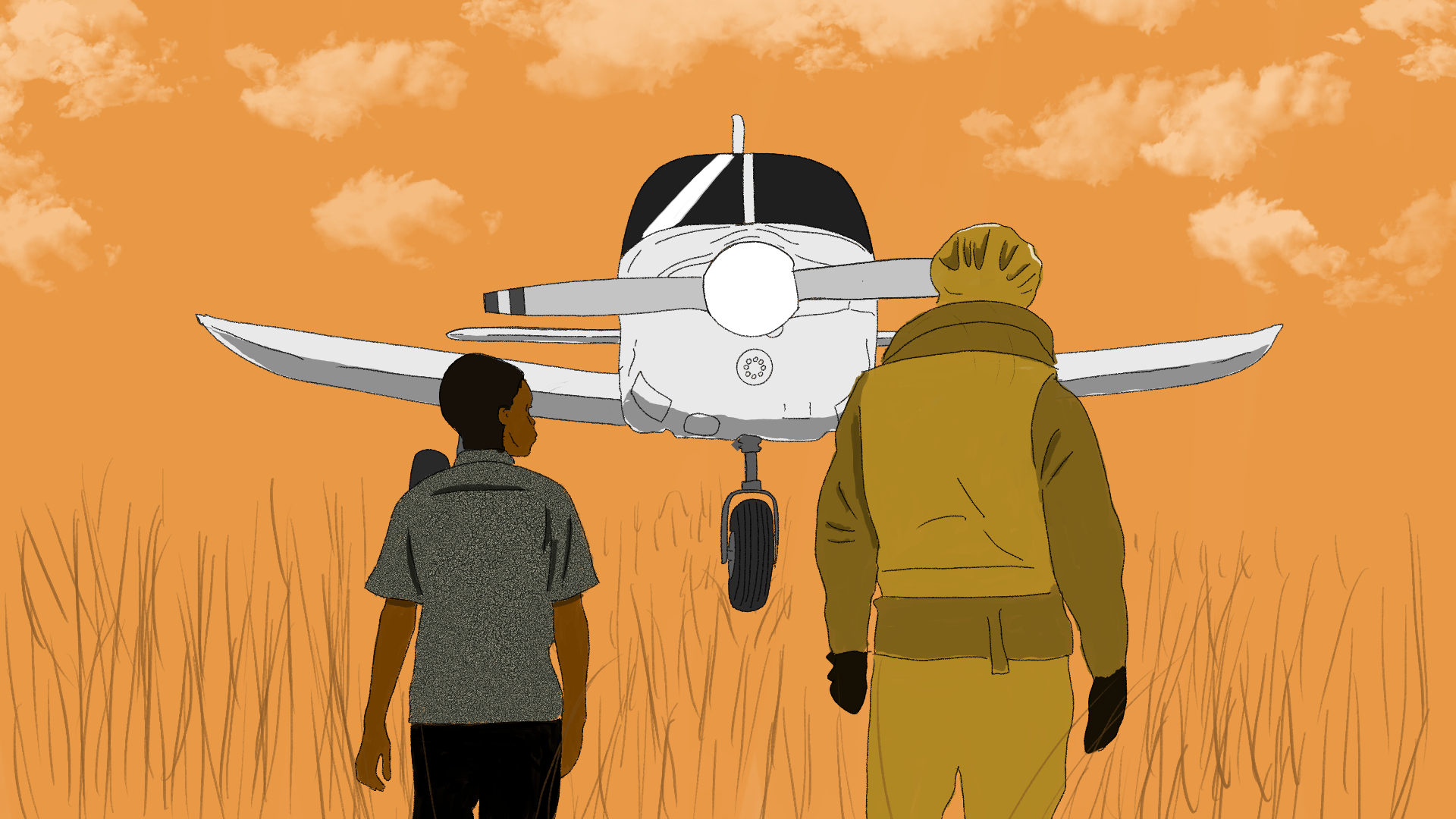
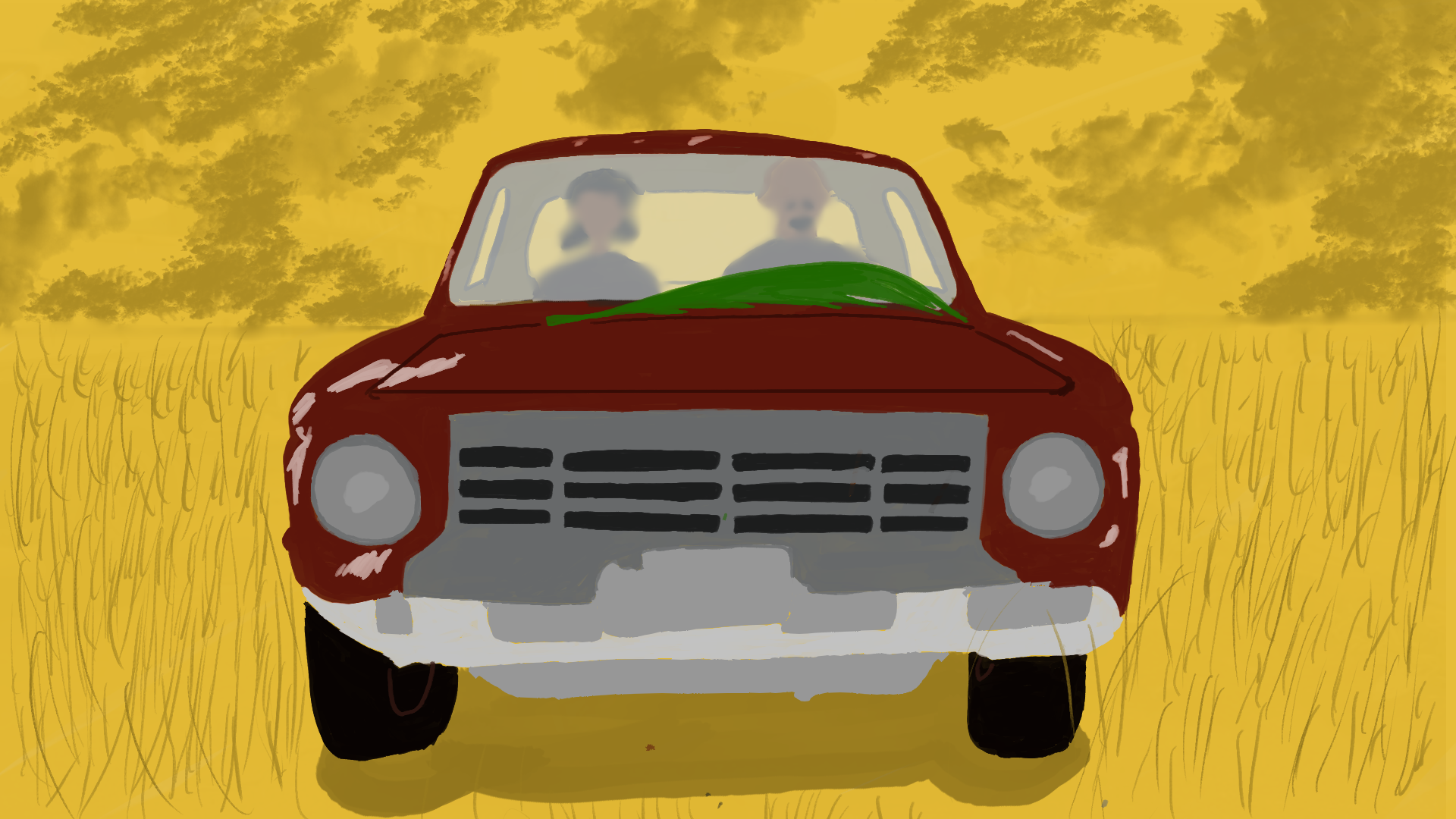
Well, his boss thought differently. “Since there is nothing much at the office, Sibosiso and Alexis will rush down to Sharpeville and see things as they are. I do not think anything special will happen there, but staying off amounts to nothing either,” he said, and focused his eyes on Sibosiso. Sibosiso nodded and packed his bag. In a few minutes, they were out, driving down to Sharpeville. They did not talk much on the drive. Alexis handled the wheel, his eyes fixed ahead as though the road might shift if he looked away. Sibosiso sat beside him, one elbow on the door, fingers grazing his lips, watching the road stretch itself thin over the land. The road grew busier the closer they got. Buses. Trucks. People hung by the doors, clung to the rails, and sat on roofs like bundles tied for market. Everywhere, there were songs of freedom and redemption. At some point less than two kilometres away from Sharpeville, the police barricaded the road, stopping cars from entering into the township. The influx was getting out of hand, and public peace was at risk. Sibosiso took the wheel at this point so that Alexis could take sensitive pictures. Knowing the terrain well, he took a bush path and entered Sharpeville behind a grey police car and three Alvis Saracen vehicles. As they drove through the fringes of the township, many people shouted the Pan-Africanist slogan “Izwe Lethu” or gave the thumbs-up “freedom” salute and shouted “No dompas!” at the top of their lungs. The string of police cars ignored the duo, since they kept an amiable distance and appeared to be the harmless newshounds they were. There was no way they could hide their identity. The Afrika Magazine inscription on the sides of the Ford Consul was conspicuous.
On arrival at the Sharpeville police station, Sibosiso thought it was a festival of the defeated majority. There was pressure, but nothing violent was happening. The protesters were singing and laughing and even exchanging trite jokes with some police officers. They drove and parked at a distance, easing into an open patch of ground on the side of the police station, away from the dense knot of bodies gathered at the front gate. The space there was bare and uneven, a stretch of compacted earth worn down by tyres and footsteps rather than purposefully marked for parking. It lay slightly off the main approach road, screened from the thickest part of the crowd but still within view of the compound’s fence. From that angle, the station appeared quieter, almost detached from the pressure building at the entrance. The main gate, where the protesters had gathered, was not directly in front of them. Instead, the side of the building showed its plain walls, the fence running its length, and the yard inside where officers formed small groups, brainstorming on how to handle the situation. The distance gave them a clearer line of sight, but also a sense of separation, as though they had arrived at the edge of something already in motion.
Suddenly, the mood changed. More Saracens and truckloads of police officers arrived within a short time. Above the heads of protesters, planes hovered, low and high. Alexis grabbed his 35mm camera and started running towards the crowd to beat the other news agents, and avoid missing anything sensitive and important. Every now and then he slowed down to capture a moment. Soon, Sibosiso caught up with him.
“What’s going on?”
“A lot,” Alexis said, lifting the camera to his right eye and squinting the other eye.
Children and women were, in jolly manners, hurling pebbles and articles of clothing at the low-hanging planes. The people continued to chant against the pass laws, moving closer to the gate of the police station, where a local PAC leader was having a conversation with the senior officer. While the tension heightened, the senior police officer retracted and was seen conversing with other officers. Thereafter, the officers were seen loading their guns and mounting the Saracens in combat style and putting the tanks in the direction of the crowd.
Sibosiso excused himself to urinate. He had taken a diuretic antidepressant that morning before he hit the road to the office. He did it quickly, close to the spot their car was parked, and started to walk back towards the crowd. Some cops were now standing on top of their armoured cars, waving Sten guns, and when he was fifty yards away from where Alexis was standing, the police opened fire into the crowd. He could not say for sure that nobody lobbed a stone at the police or brandished a weapon, but he did not believe a threatening situation had built up in the time it took him to walk away and back. People started running in different directions. For a moment, he thought the officers were shooting blank rounds to disperse the crowd. But when he saw people fall and not stir, he ran back to the car and returned to the open field only when the shooting had stopped. There were over sixty corpses of children and adults strewn on the ground, most of them shot in the back. The injured were crying as they remained on the ground, crawling. Sibosiso sidestepped the corpse of a boy about the age of fifteen and reached for Alexis, shot in the left arm. They trudged to the car and drove off.
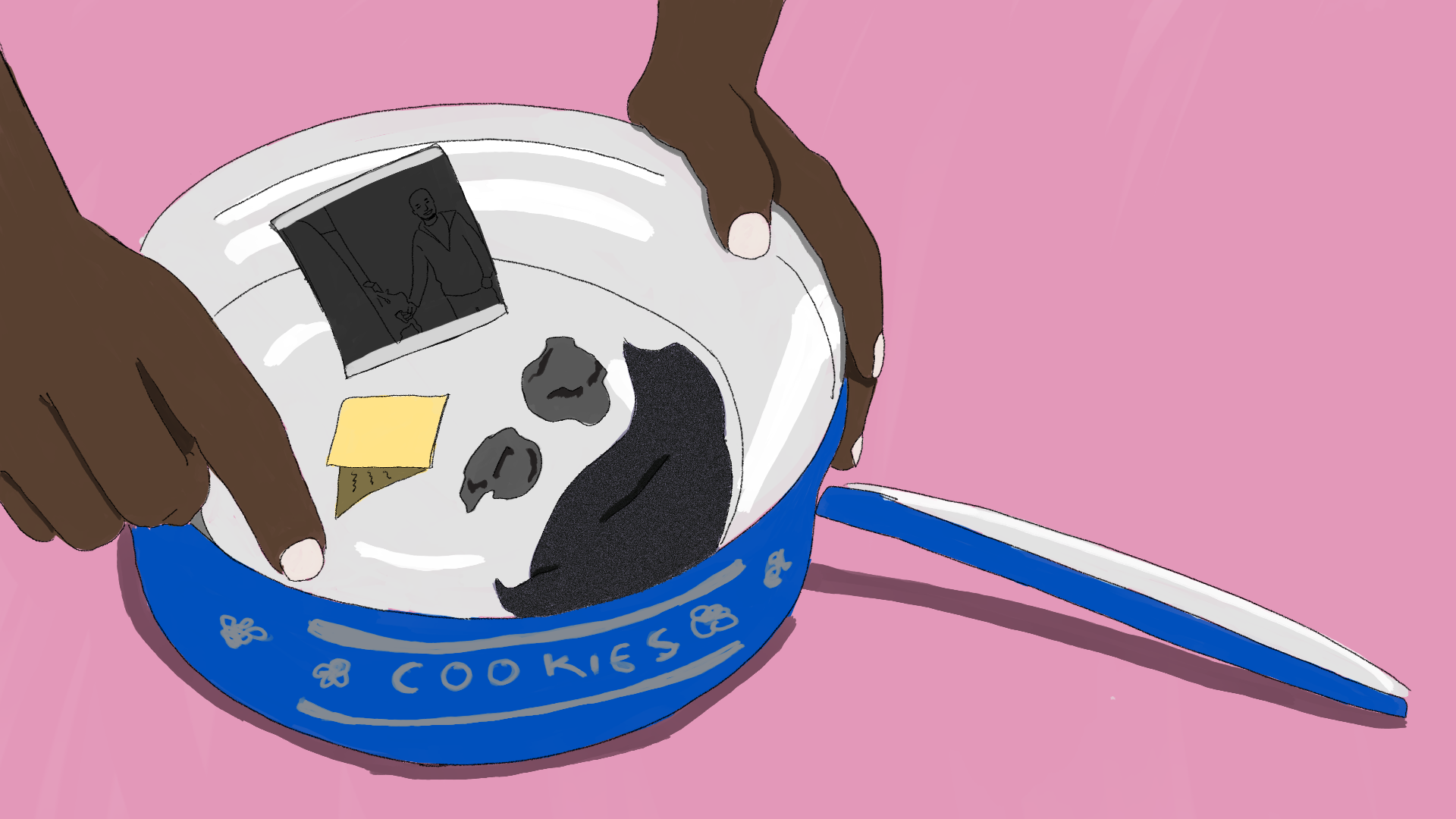
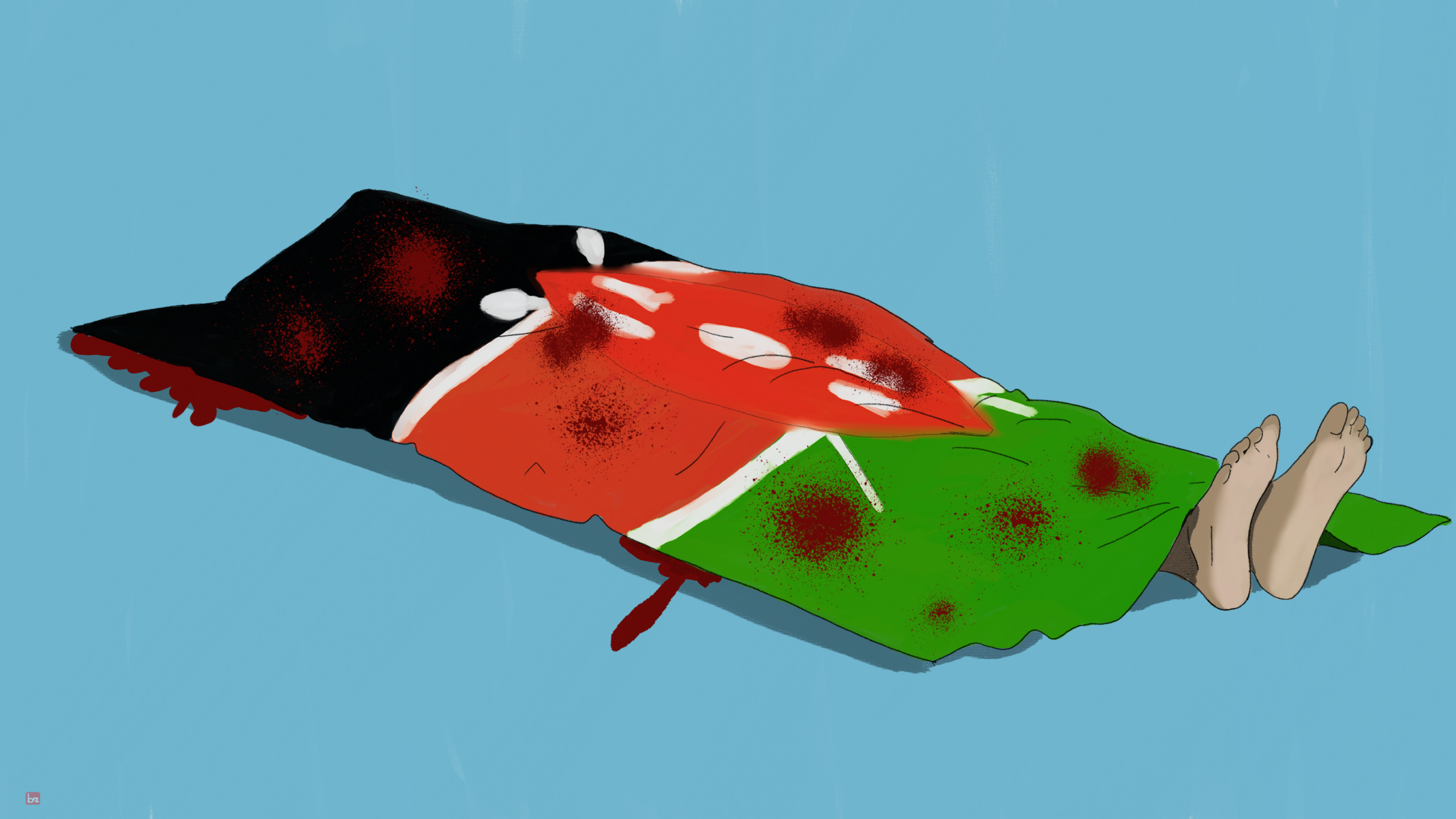
A day after the shooting at the police station, Sibosiso was at work, polishing an in-depth account of the ugly event. On the day of the shooting, he and his colleagues had put together a few features and a brief photo essay that upped the status of Afrika Magazine. A while later, Alexis, shot hand in a cast, walked in with a file full of printed photographs at the scene of the shooting. “I decided to print all of them,” he said, throwing them onto the desk. The file landed with a dull slap, its edges splayed from long-time usage. Sibosiso looked up, nodded once, then returned to the paragraph he was polishing. He worked through it for about an hour before he was satisfied. He set his pen down and drew the file closer. The first photograph showed a wide view of the crowd, faces turned in one direction, as though pulled by a single thread. The next showed a police officer on a Saracen behind a mounted gun, its muzzle pointed at the crowd. There was one taken from the angle they had parked their car. It showed the fenced compound of the police station underneath a clear sky. Such serenity had no need being part of the story of a massacre. The rest that followed held gory depictions. People running. Bloodied corpses on the ground. He dropped the last one before feeling like he had missed something. One of the corpses looked like someone he knew. It lay face down, but the angle of the face was enough for him to know who was there. He turned the photograph sideways. Then upright. The face did not change, no matter how the mind tried to refuse what the eyes had accepted. It was Kovo, shot in the back of her head, so that the bullet erupted at the centre of her forehead, or had been shot in her forehead and the bullet came out the other way. He dropped the photograph and reached for the car key on the key rack beside his desk.
The township of Sharpeville was quieter than it had the right to be. He drove down the main street and turned into the boulevard on which Kovo lived. A neighbour who survived the shooting, standing by a low fence, told him without ceremony that Kovo had been buried in a mass grave west of the township. She had not wanted to go out for the demonstration, but the PAC members had forced them out of their homes. He drove out there and stayed by the graveside for a long time, saying nothing. At sundown, he returned to his flat in Pretoria. He burnt his dompas in the sink and swallowed more antidepressants than he should have. Then he sat on the windowsill, staring into the gathering darkness, contemplating a free fall.
Ornguze Nashima Nathaniel is a Nigerian writer and editor. He is a major in mathematics and loves writing speculative fiction through “Acheyinka,” his coined literary style that blends the clarity of Achebe and Wole Soyinka’s lyrical, strange ways of depiction.
Cover credit: Ebumnobichukwu Agu.